You are driving through Stanwood on a damp morning, maybe heading toward Camano Island or making your way along Pioneer Highway, and suddenly you hear it. A harsh, unsettling grinding sound that cuts right through the quiet of your commute.
That noise is not something to brush off. Your vehicle is asking for attention and professional auto repair, and in a place like Stanwood, WA, where rain-soaked roads and coastal air already push cars harder than average, that ask can turn urgent fast.
This guide breaks down exactly what that sound means, what is causing it, and what you should do next.
What Does a Grinding Noise in Car Actually Mean?
Simply put, grinding usually means two metal surfaces are rubbing against each other without any cushioning in between. Whether it is worn brake components, a failing bearing, or a struggling drivetrain, the source tends to be something you cannot afford to delay.
For anyone dealing with a grinding noise in a car, here is the honest truth: it is rarely harmless.
Is a Grinding Noise Always a Serious Problem?
More often than not, yes. Grinding typically means something has worn past its safe operating limit. Common culprits include:
- Brake pads ground down to bare metal
- Debris lodged in braking components
- Internal transmission wear from low or dirty fluid
Even if the car still drives fine on the surface, continuing without an inspection is a gamble most drivers regret.
Grinding vs. Squealing vs. Clicking: What Is the Difference?
| Noise Type | What It Sounds Like | Likely Cause |
| Grinding | Harsh, metallic scraping | Severe brake or bearing wear |
| Squealing | High-pitched whine | Early-stage brake pad wear |
| Clicking | Repetitive ticking | CV joint or axle damage |
A brake grinding noise almost always means the situation has moved well past the early warning stage.
When to Pull Over Immediately vs. When It Is Safe to Drive to a Shop
Stop driving right away if:
- The grinding is loud, constant, and getting worse
- Your brakes feel soft, weak, or unresponsive
- Steering feels heavy or unpredictable
You may drive carefully to a shop if:
- The noise is occasional and mild
- Handling and braking feel normal
Either way, booking a vehicle diagnostic in Stanwood, WA as soon as possible is the smartest move you can make.
Top Reasons Your Car Is Making a Grinding Noise
- Worn-Out Brake Pads: The Most Common Cause of Grinding
Brake pads wear down gradually until the friction material disappears entirely, leaving metal grinding directly against metal. This is the number one issue seen in auto repair in Stanwood, WA, and it is also one of the most preventable.
- Damaged or Warped Brake Rotors
Heat and repeated stress warp rotors over time, creating that pulsing or rough grinding sensation when you press the brake pedal. Drivers searching for warped rotors, grinding noise almost always land on this diagnosis.
- Low or Dirty Transmission Fluid
Transmission fluid lubricates every moving part inside the gearbox. When it runs low or becomes contaminated, those parts grind against each other with every gear change. A transmission fluid flushis often all it takes to stop early-stage damage in its tracks.
- Failing Wheel Bearings
Wheel bearings allow your wheels to spin freely and smoothly. When they start to fail, drivers notice a deep, persistent grinding or humming that worsens at speed. Classic failing wheel bearing symptoms include:
- Noise that intensifies as you accelerate
- Vibration felt through the steering wheel
- Uneven or accelerated tire wear
- CV Joint or Axle Problems
If the grinding occurs only when you turn, a damaged CV joint is likely the cause. This is especially common in vehicles driven frequently on the rough or wet roads around Camano Island and the surrounding area.
- Power Steering System Issues
A power steering grinding noise or steering wheel grinding when turning usually points to low power steering fluid or a pump that is beginning to wear out. Both are worth addressing promptly.
- Worn Clutch Components (Manual Transmission Vehicles)
Drivers of manual vehicles who notice grinding during gear shifts are likely experiencing clutch wear. The longer this goes unaddressed, the more expensive the eventual repair becomes.
- Differential Problems in AWD and 4WD Vehicles
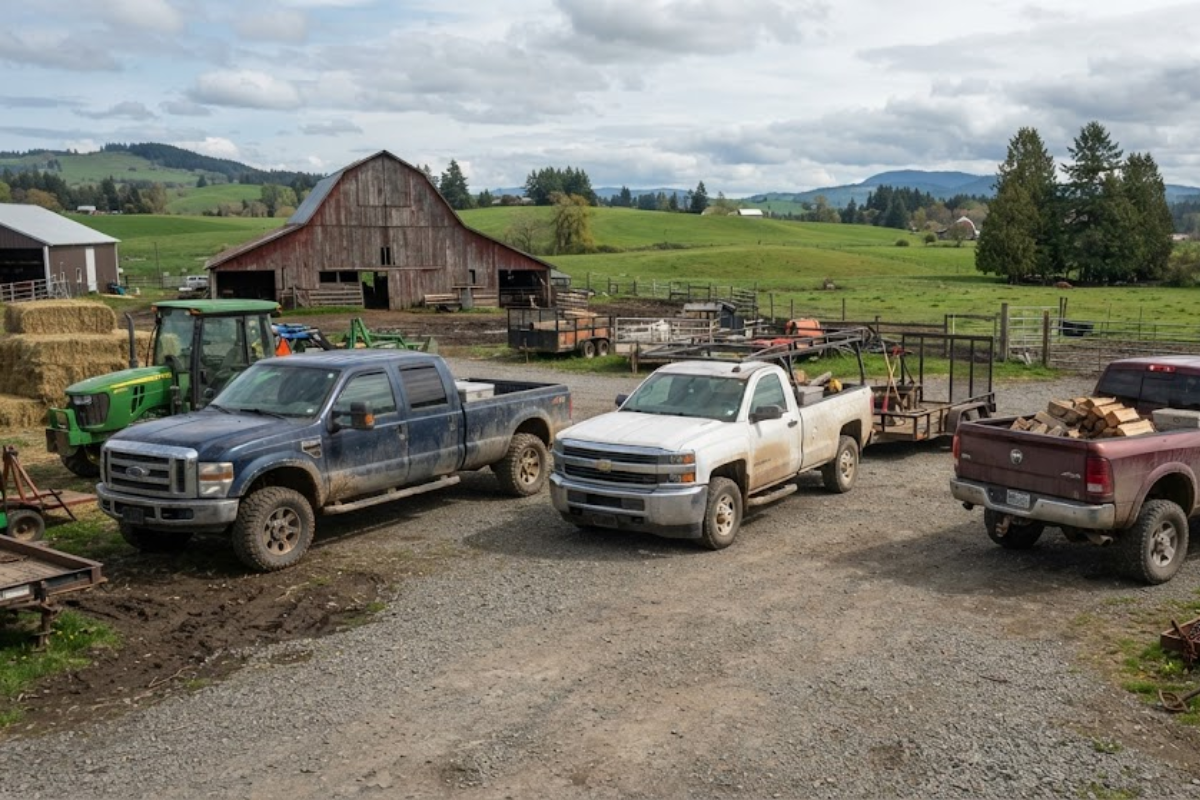
Trucks and SUVs used for hauling or off-road driving in and around this region put significant strain on their drivetrains. Grinding from the differential typically signals internal wear that needs professional attention.
Where Is the Grinding Noise Coming From? How to Identify the Source
Knowing when the noise occurs is just as important as knowing what it sounds like.
| When the Noise Happens | Most Likely Cause |
| While braking | Worn brake pads |
| While turning | CV joint or steering system |
| While accelerating | Transmission or drivetrain |
| While shifting gears | Clutch or gearbox wear |
| Only at low speeds | Brake or bearing issue |
| Only at high speeds | Wheel bearing or drivetrain |
Grinding Noise Coming From the Front vs. Rear of the Vehicle
- Front-end grinding almost always traces back to brakes, wheel bearings, or the steering system.
- Rear-end grinding is more commonly caused by wheel bearings or the differential.
A proper car inspection in Stanwood, Washington, eliminates all guesswork.
How Stanwood’s Roads and Weather Can Worsen Grinding Noises
- How Pacific Northwest Moisture and Rain Affect Your Brakes
The climate here is not kind to brake components. Persistent moisture accelerates surface rust and corrosion, causing pads and rotors to degrade faster than they would in drier climates. According to the Federal Highway Administration, wet pavement is a factor in nearly 70% of weather-related vehicle crashes nationwide.
- How Driving Near Camano Island’s Coastal Roads Affects Brake Wear
Salt air is a silent aggressor. Drivers who regularly travel coastal routes near Camano Island tend to see faster brake wear and corrosion, making routine brake repair near Camano Island, WA, more of a necessity than an option.
- How Cold Washington Winters Cause Metal Components to Grind
Temperature swings cause metal to expand and contract repeatedly. Over time, this stresses components that might otherwise hold up fine, and that stress often announces itself as a grinding sound on cold mornings.
What Happens If You Ignore a Grinding Noise in Your Car?
- How Ignoring Brake Grinding Leads to Rotor Damage
What starts as a straightforward brake pad replacement can evolve into a full brake rotor replacement in Washington state if ignored. Rotors are significantly more expensive to replace than pads, and the damage accelerates quickly once metal-on-metal contact begins.
- Safety Risks of Driving With a Grinding Noise
The National Highway Traffic Safety Administration (NHTSA) identifies brake system failures as a contributing factor in thousands of crashes every year.
- How a Small Grinding Problem Becomes a Costly Repair
| Stage | Repair Needed | Relative Cost |
| Early | Brake pad replacement | Low |
| Moderate | Rotor resurfacing or replacement | Medium |
| Severe | Full braking system overhaul | High |
The cost of brake pad replacement in Washington is a fraction of what a full system repair costs. Early action always wins.
How Mission Motors Diagnoses and Fixes Grinding Noises
When drivers need a dependable mechanic, Mission Motors is the name that comes up consistently. Our team of ASE-certified mechanics approaches every vehicle with a thorough, systematic process rather than a quick guess.
Our Step-by-Step Vehicle Diagnostic Process
- Full car inspection in Stanwood, Washington, covering brakes, drivetrain, and suspension
- Road test to hear and replicate the grinding firsthand
- Component-by-component evaluation to identify the exact source
How We Identify the Exact Source of the Grinding Noise
Rather than replacing parts on a hunch, our team at Mission Motors pinpoints the root cause first. This approach prevents unnecessary repairs and ensures the fix actually lasts.
OEM vs. Aftermarket Parts: What We Use at Mission Motors
Mission Motors uses quality components suited to the demands of Pacific Northwest driving. Every repair is built to withstand the moisture, cold, and road conditions that drivers here face daily.
How Long Does It Take to Fix a Grinding Noise?
Most brake-related repairs are completed within a single day. More complex issues involving the drivetrain or wheel bearings may take longer, depending on the severity and the availability of parts.
Transparent Pricing and No Surprise Repair Bills at Mission Motors
Every estimate is straightforward and communicated clearly before any work begins. Drivers know exactly what they are paying for and why.
Grinding Noise Repair Costs: What Stanwood Drivers Can Expect
| Repair Type | Factors That Affect Cost |
| Brake Pad Replacement | Vehicle make/model, pad material (standard vs. performance), and whether rotors need attention too |
| Rotor Replacement | Rotor type, severity of wear, and whether one or both sides need replacing |
| Wheel Bearing Replacement | Front vs. rear location, vehicle type, and labor time required for your specific model |
| Transmission Service | Type of transmission (automatic vs. manual), fluid condition, and extent of wear |
These figures vary by vehicle make, model, and severity. What remains consistent is this: the earlier the diagnosis, the lower the final bill.
Why Early Diagnosis Always Saves You Money
According to the U.S. Department of Transportation, routine vehicle maintenance is one of the most effective ways to prevent costly breakdowns and reduce safety risks on the road.
How to Prevent Grinding Noises With Regular Maintenance
Following a consistent brake inspection schedule in Washington is the simplest way to stay ahead of grinding issues. Most mechanics recommend an inspection every 12 months or 12,000 miles, whichever comes first.
Transmission Fluid Flush: Why It Prevents Grinding and Costly Damage
A transmission fluid flush every 30,000 to 60,000 miles keeps internal components lubricated and functioning properly, preventing the kind of wear that leads to grinding.
Wheel Bearing Maintenance Tips for Pacific Northwest Drivers
- Check for wheel bearing grinding noise at every oil change
- Monitor tire wear patterns, as uneven wear can signal bearing trouble early
- Address vibration in the steering wheel promptly rather than waiting for the sound to worsen
Mission Motors’ Preventive Maintenance Schedule for Stanwood Vehicles
Preventive car maintenance does not have to be complicated. A structured schedule keeps your vehicle reliable through every season:
- Every 3,000 – 5,000 miles: Oil change and visual inspection
- Every 12,000 miles: Brake inspection
- Every 30,000 miles: Transmission fluid check
- Every 50,000 miles: Full drivetrain and bearing evaluation
The Bottom Line: Do Not Let That Grinding Sound Become a Bigger Problem
A grinding noise is never background noise. It is a signal, and in Stanwood, where wet roads, coastal air, and cold winters already work against your vehicle, that signal deserves a fast response.
The good news is that most causes of grinding are entirely manageable when caught early. Whether it is worn brake pads, a failing wheel bearing, or a transmission in need of fresh fluid, addressing the issue promptly protects both your safety and your wallet.
Mission Motors offers thorough diagnostics, honest pricing, and auto repairs in Stanwood, WA, performed by ASE-certified mechanics who understand the challenges Pacific Northwest vehicles face. If your car is making a grinding noise, do not wait for it to get worse.
Reach out to us today at 360.939.2617 and get a clear answer before a manageable repair turns into a major one.